


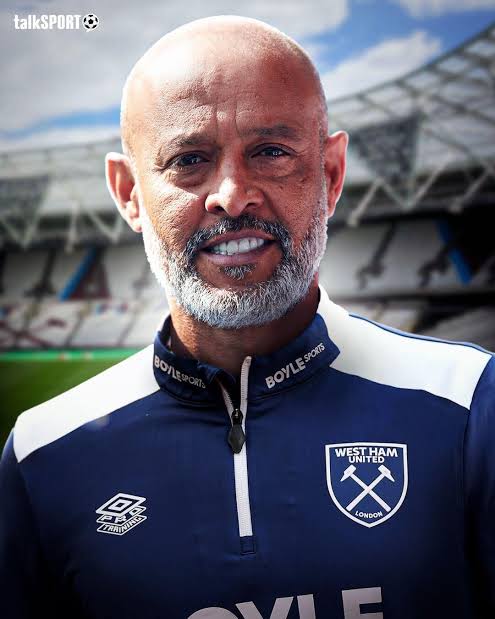
Three Reasons Why Nuno Espírito Santo Might Have to Leave West Ham United
The managerial position at a Premier League club like West Ham United is one of the most scrutinized roles in football. Coaches are under constant pressure to deliver results, satisfy fans, and align with club ambitions. Nuno Espírito Santo, who took over as West Ham’s head coach, faced high expectations to steer the team toward success. However, despite his experience and tactical acumen, there are several reasons why he might be compelled to leave the club. Here are three significant factors that could contribute to his departure.
### 1. **Lack of Consistent Results and Team Performance**
One of the primary reasons a manager might have to leave a club is the failure to secure consistent positive results. Football is a results-driven sport, and managers are often judged solely on the team’s performance on the pitch. If Nuno Espírito Santo’s tenure at West Ham fails to deliver the desired league position, especially in a competitive league like the Premier League, it could lead to his departure.
West Ham fans and club management expect their team to challenge for higher league positions, qualify for European competitions, and develop a competitive squad. If the team struggles with poor form, inconsistent performances, or a string of losses, the pressure mounts. For Nuno, this could mean that despite his coaching efforts, the team might not be meeting expectations. A series of poor results might create frustration among fans, players, and club executives, leading the board to consider a managerial change to restore momentum.
Furthermore, if the team’s style of play under Nuno does not resonate with the club’s philosophy or fails to engage the fans, the club might opt for a change to reinvigorate the squad and the supporters. Ultimately, the inability to turn around disappointing results could be the most straightforward reason for his departure.
### 2. **Tactical Disagreements and Lack of Alignment with Club Vision**
Another critical factor that could force Nuno to leave West Ham United is a mismatch in tactical philosophy or a disconnect with the club’s long-term vision. Managers are often hired because their style of play aligns with the club’s ambitions, whether that’s attacking football, defensive solidity, or youth development.
If Nuno’s tactical approach does not resonate with the club’s leadership or fails to adapt to the squad’s strengths, disagreements can arise. For instance, if the club desires a more aggressive attacking style, but Nuno prefers a more conservative, counter-attacking approach, this divergence can cause friction. Such disagreements might lead to a situation where the manager feels out of sync with the club’s direction.
Moreover, if the club’s hierarchy envisions rebuilding the team with a focus on youth development or a particular playing style, and Nuno’s approach doesn’t align, this disconnect can accelerate his departure. Managers are often evaluated not just on results but also on their compatibility with the club’s culture and future plans. A persistent clash in tactical philosophy or vision can make it untenable for Nuno to continue, prompting him to seek opportunities elsewhere.
### 3. **External Factors: Club Politics, Ownership Changes, or Off-Field Issues**
The third significant reason pertains to external influences beyond the pitch. The world of football is rife with politics, ownership dynamics, and off-field issues that can impact a manager’s tenure. Changes in club ownership or management structure often lead to shifts in club philosophy and managerial staff.
If West Ham’s ownership undergoes a change or if there are internal disagreements among club executives about the direction of the team, it could result in a managerial upheaval. New owners might prefer a different coaching style or want to bring in their own candidate, leading Nuno to leave or be asked to depart.
Additionally, off-field issues such as disagreements with players, staff, or the club’s hierarchy can also contribute to a manager’s exit. If Nuno faces insurmountable conflicts or if his authority is undermined, his position may become untenable. Sometimes, external factors like media pressure, fan dissatisfaction, or rumors of dissatisfaction behind the scenes can influence the club’s decision-making process.
Furthermore, external factors such as injuries to key players, loss of star performers, or financial constraints can hamper a manager’s ability to succeed. If these issues persist and the club perceives that a change in leadership is necessary to navigate these challenges, Nuno might be shown the door.
—
**Conclusion**
In summary, while Nuno Espírito Santo brought his experience and tactical knowledge to West Ham United, several factors could necessitate his departure. The most immediate concern would be the team’s results and performance on the pitch, which directly impact managerial job security. Equally important are tactical disagreements and alignment with the club’s vision, which influence long-term stability. Lastly, external influences like ownership changes, internal politics, and off-field issues can also play a decisive role.
Football management is inherently volatile, and even the most talented coaches can find themselves on the brink if circumstances do not favor their tenure. For Nuno, navigating these challenges will be crucial, and if the circumstances become too difficult to manage, a departure might be inevitable.
