


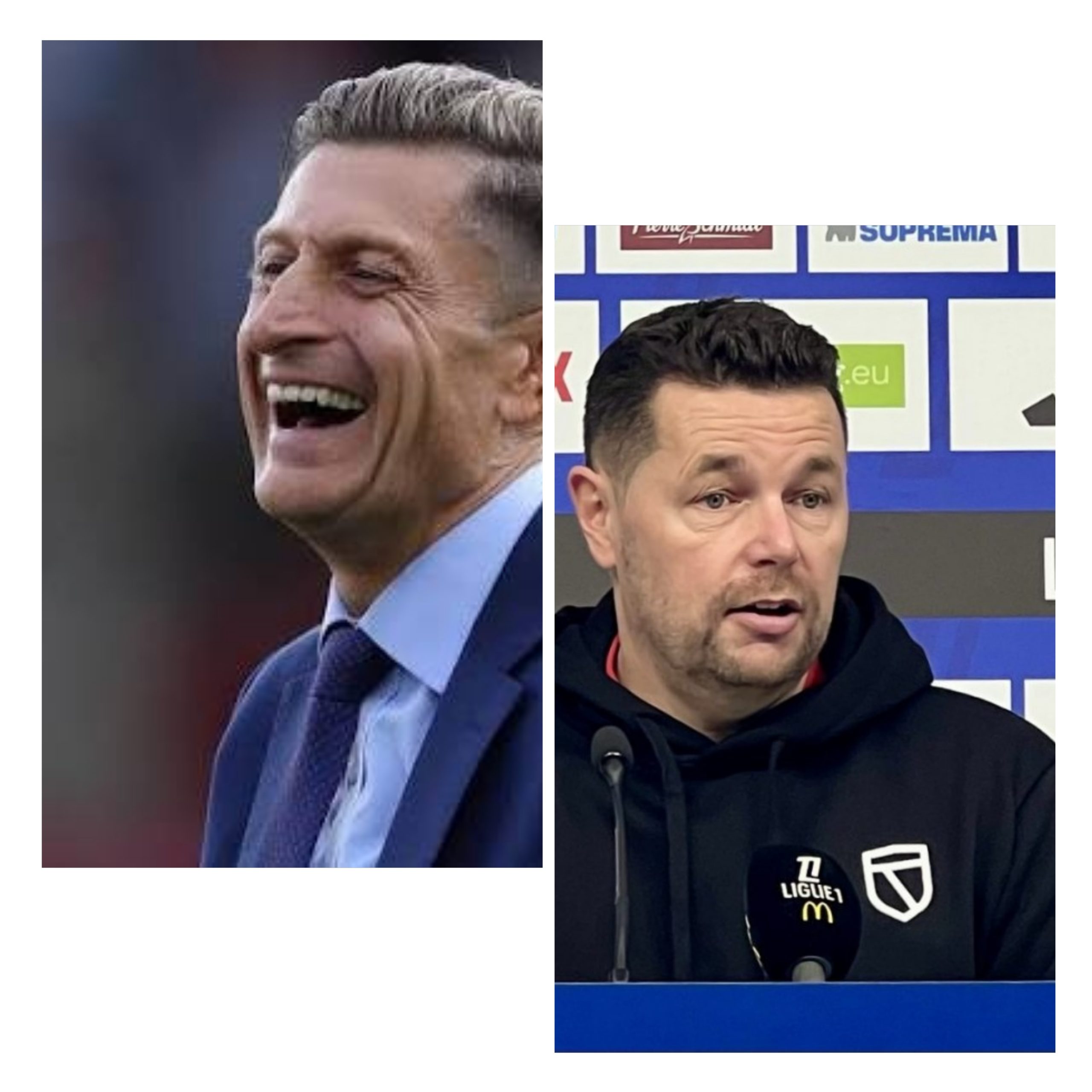
Pierre Sage appears increasingly likely to become Crystal Palace’s next manager following Oliver Glasner’s departure, with the French coach emerging as the leading candidate to take charge at Selhurst Park ahead of a pivotal period for the club.
While many supporters may be unfamiliar with Sage’s journey to this point, his reputation within European football has grown significantly over the past two years. The 46-year-old arrives with a profile that combines tactical intelligence, player development and a modern approach to coaching that has attracted attention from clubs across the continent.
His most notable achievement came at Lyon, where he oversaw one of the most remarkable turnarounds in recent French football history. When Sage stepped into the role, Lyon were struggling near the foot of the Ligue 1 table and facing the genuine possibility of a disastrous campaign. Confidence was low, results were poor and the club appeared to be heading in the wrong direction.
https://x.com/i/status/2062226550850805896
What followed transformed perceptions of both the team and the coach.
Under Sage’s guidance, Lyon climbed steadily up the table through a combination of tactical discipline, attacking football and improved organisation. The team developed a clear identity, producing performances that eventually turned a relegation battle into a push for European qualification.
That dramatic revival established Sage as one of the most highly regarded young coaches in European football and placed him firmly on the radar of clubs searching for progressive leadership.
One of the most appealing aspects of Sage’s work is his commitment to front-foot football. His teams are typically aggressive without possession, pressing high up the pitch and attempting to regain the ball quickly. In possession, they aim to play with purpose, creating overloads and attacking space whenever opportunities arise.
Such an approach is likely to appeal to Crystal Palace supporters, who have become accustomed to seeing the team play with energy and intensity in recent seasons.
Importantly, Sage would not be arriving at a club in need of a complete rebuild. Oliver Glasner leaves behind a strong foundation after helping Palace establish a clear identity and competitive structure. The squad contains a number of talented young players alongside experienced professionals, creating a platform that many coaches would find attractive.
Sage’s reputation for improving individuals could prove particularly valuable. Throughout his coaching career, he has demonstrated an ability to develop players while maintaining collective organisation, a balance that many managers struggle to achieve consistently.
Palace’s recruitment model may also suit his philosophy. The club have earned widespread recognition for identifying emerging talent and building competitive squads without relying on excessive spending. Sage’s track record suggests he would be comfortable working within that framework.
Although challenges inevitably await any manager entering the Premier League, there is a growing belief that Palace may once again have identified one of Europe’s rising coaching talents before his reputation reaches even greater heights.
If appointed, Pierre Sage would arrive at Selhurst Park carrying significant expectations, but also the opportunity to build upon the progress already made and guide Crystal Palace into an exciting new era.
