


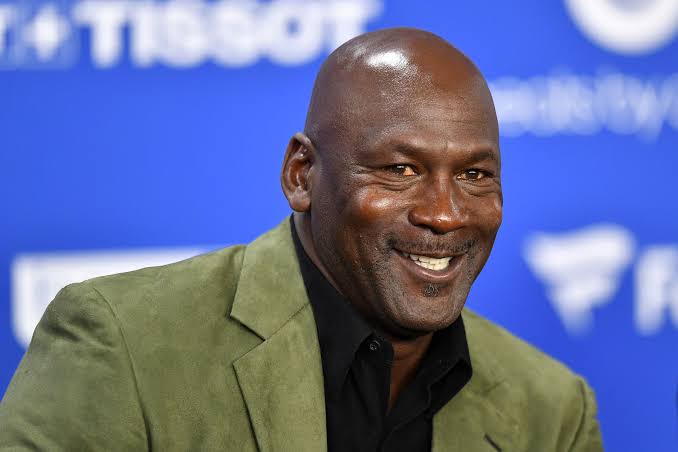
In a moment that marked the end of an era, Michael Jordan officially announced his retirement from professional basketball on October 6, 1993. This decision, conveyed in a heartfelt press conference, concluded a career that redefined the sport and set new standards of excellence. Jordan, often celebrated as the greatest basketball player of all time, had already led the Chicago Bulls to three consecutive NBA championships, earning accolades including three MVP awards and numerous All-Star selections. His combination of athleticism, skill, and competitive drive had transformed the game, captivating fans and inspiring a new generation of players.
Jordan’s retirement was not just a personal decision but a seismic shift in the basketball landscape. His absence left a void that was palpable across the league, as his presence on the court was synonymous with winning and extraordinary performance. Although Jordan’s first retirement was short-lived, leading to his return and further championship success, this initial announcement underscored his profound impact on the sport. It signified a moment of transition and reflection for fans, players, and the NBA, who were left to grapple with the reality of a league without its most iconic figure.
