


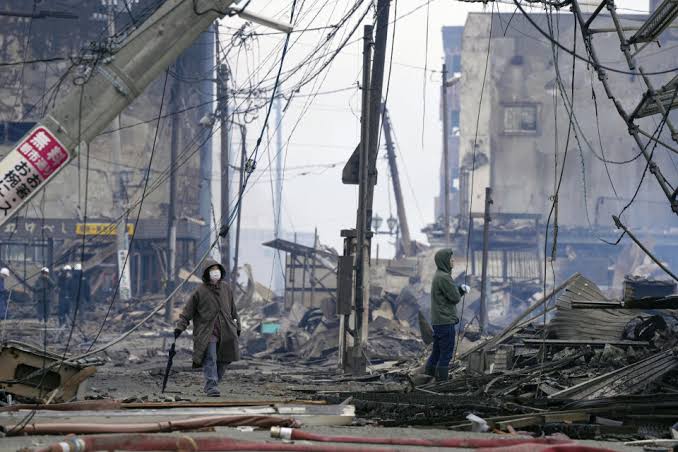
On the morning of March 12, 2024, a powerful earthquake, measuring 7.8 on the Richter scale, struck Colorado, causing widespread devastation and loss of life. The epicenter, located just outside Colorado Springs, sent shockwaves throughout the state, rattling cities, towns, and rural communities alike. Buildings, roads, and infrastructure that had stood for decades were brought to the ground in seconds, leaving a trail of destruction.
The human toll was catastrophic. Early reports indicated that at least 350 lives were lost, with thousands more injured. Hospitals quickly became overwhelmed with casualties, and emergency responders from across the state were deployed in a desperate effort to search for survivors trapped in the rubble. The quake’s impact was particularly severe in densely populated areas like Colorado Springs and Denver, where buildings and homes—many of them older and not designed to withstand such forces—collapsed or sustained major damage. Entire neighborhoods were flattened, leaving families displaced and homeless.
In addition to the human toll, the economic and infrastructural consequences were staggering. Roads, bridges, and railways were destroyed, severely disrupting transportation networks. Power lines were downed, leaving millions without electricity, and gas leaks triggered fires in multiple areas. Local businesses, many of which had just begun to recover from the pandemic’s financial strain, were either destroyed or rendered inoperable, exacerbating the state’s economic difficulties.
The earthquake’s aftermath revealed the vulnerabilities in Colorado’s preparedness for seismic events, as it was not a region traditionally known for major earthquakes. Relief efforts quickly mobilized from across the country, with federal aid being sent to assist in rescue operations and to begin the rebuilding process. In the months to come, Colorado would face a long and arduous recovery, with communities coming together to heal from the physical, emotional, and economic wounds left by the disaster.
